Regulating What You Can’t See: Five Truths for Today’s Digital Policymakers
An end-of-year reflection for regulators, policymakers, and digital economy leaders
As the year draws to a close, regulators and governments around the world are doing what this season naturally invites: taking stock: What worked? What did not? Which realities can no longer be postponed?
The digital economy has once again expanded faster than policies, faster than institutions, and faster than traditional oversight models. Telecoms, mobile money, OTT platforms, gaming, A2P messaging, and data services have continued to grow—often invisibly, sometimes unevenly, and frequently beyond the reach of existing regulatory tools.
After years of supporting national authorities across Africa, the Caribbean, and beyond, Global Voice Group has observed a clear pattern: regardless of geography or income level, the same hard truths keep surfacing.
As we close the year, here are five truths about digital economy regulation we can no longer ignore.
1. You can’t regulate what you can’t measure
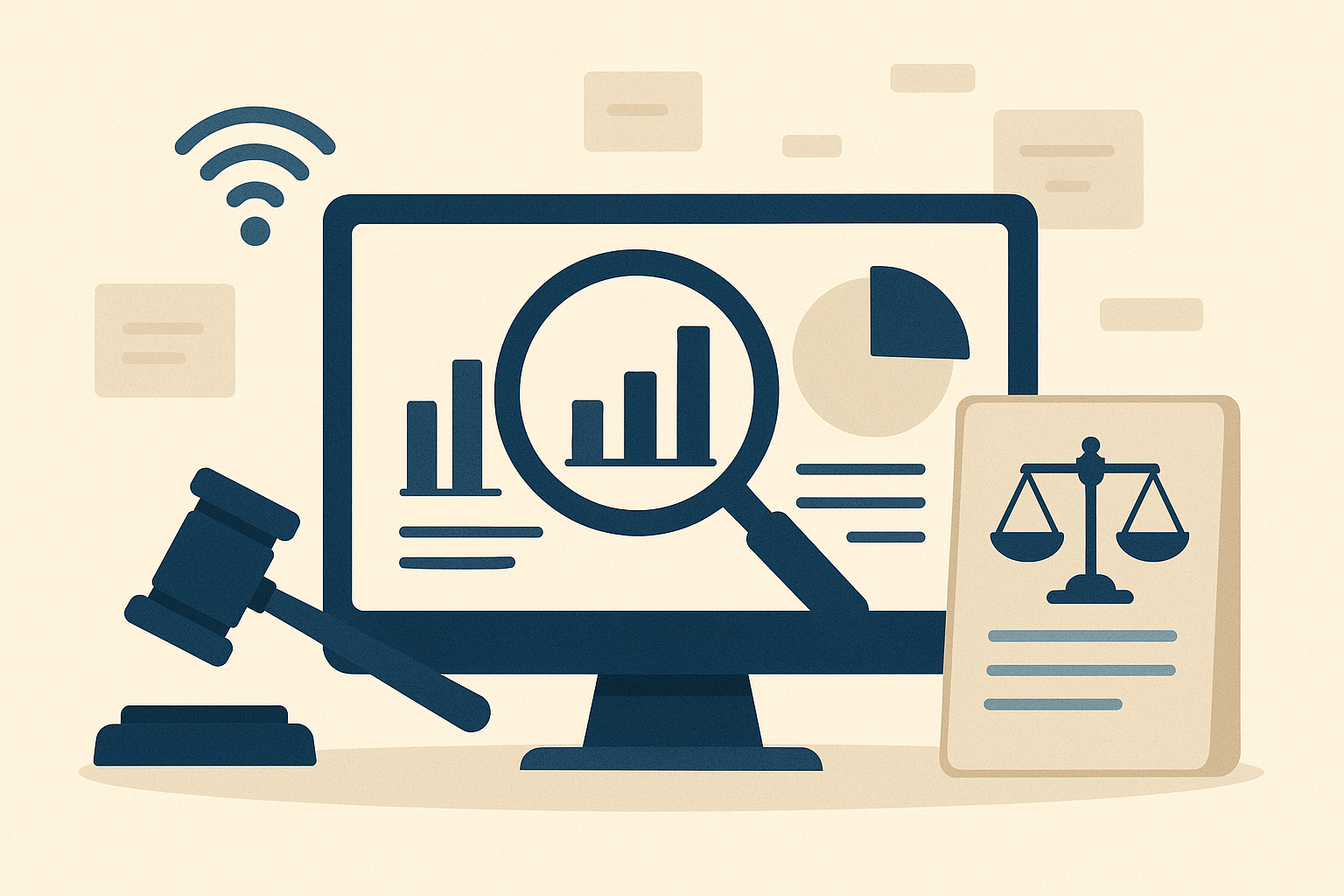
Digital markets generate massive volumes of transactions, traffic, and data flows every second. Yet in many countries, regulators and tax authorities still rely on operator self-declarations, fragmented reports and intermittent audits. Without independent, real-time measurement, regulation becomes assumption-based rather than evidence-based.
Measurement is not about control, it is about visibility. And visibility is the foundation of fair policy, credible taxation, and market confidence. Where governments lack independent visibility into digital activity, leakages and blind spots thrive—not necessarily because of bad actors, but because the system has no eyes.
2. Compliance without data is opinion
Rules, directives, and licenses only matter if compliance can be verified. Too often, compliance frameworks are built on paper reporting in a digital world. The result is endless disputes, regulatory fatigue, and enforcement that feels arbitrary to operators and ineffective to governments.
Data changes the dynamic. When compliance is anchored in verifiable facts, it becomes faster, fairer and less confrontational. Data does not accuse, it demonstrates. When all stakeholders work from the same factual baseline, trust replaces tension and dialogue becomes more constructive—a lesson that regulators increasingly recognise.
3. Digital services will always move faster than laws
This is not a failure of regulators, it is the nature of technology. New digital services emerge in months. Legislative reforms, by design, take years. Attempting to permanently “catch up” through laws alone creates frustration on all sides.
The solution is not more legislation but adaptive regulation. Platforms, monitoring systems, and real-time analytics allow institutions to observe markets as they evolve, understand new business models early, and adjust policy incrementally rather than reactively.
In the digital economy, agility is a regulatory asset.
4. Revenue assurance is not anti-growth
Revenue assurance is often framed as punitive or restrictive however, in reality, it is a pro-growth discipline. When leakages are addressed:
- Legitimate operators compete on a level playing field
- Governments mobilise revenues without raising tax rates
- Confidence in the ecosystem improves
Sustainable growth is not built on opacity, it is built on fair contribution, predictable rules, and trusted institutions. Countries that understand this no longer debate whether to monitor, they focus on how to do it intelligently.
5. Technology alone doesn’t solve governance, institutions do
Platforms, dashboards, and AI models are powerful, but they are tools, not solutions in themselves. Without clear mandates, skilled teams, inter-agency coordination, and political will, even the most advanced technology will underperform.
Successful digital regulation depends on strong institutions, clear governance frameworks, and long-term capacity building.
Technology amplifies institutional strength. It cannot replace it.
From Assumptions to Insight
As the year closes, one conclusion stands out: the future of digital economy regulation will be data-driven, intelligence-led, and institution-centred. Progress will no longer be measured by legislative volume, but by governments’ ability to see, understand, and govern digital markets as they evolve in real time.
Entering a new year, the mandate for regulators is unmistakable: replace assumption-led oversight with insight-driven governance.